Microplastics in water found to be chemically active: new research
Scientists have discovered that microplastics can trigger harmful chemical reactions in water that may damage biological cells.
 🩺Health
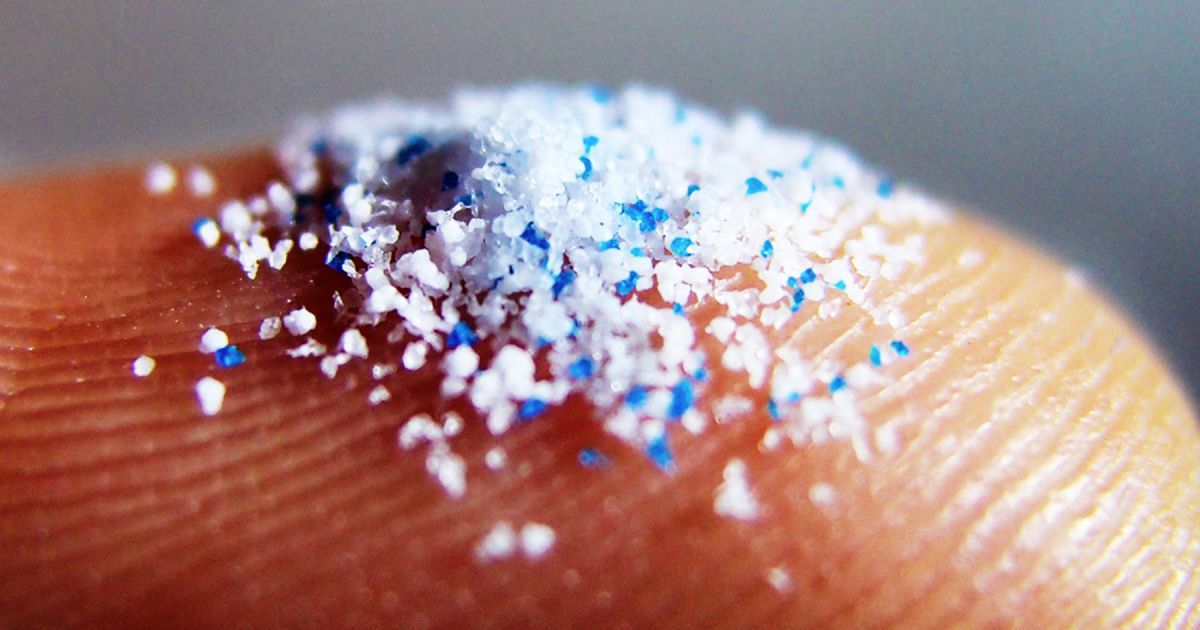
Photo: TSN
Key points
- Microplastics generate reactive oxygen species in water
- Cellular damage confirmed through lab experiments
- Heating plastic accelerates the release of harmful particles
Microplastics, often viewed as mere debris, are proving to be more dangerous than previously thought. Researchers from Columbia University and the University of California, Berkeley, have discovered that plastic particles are not passive; they actively interact with water to trigger chemical reactions.
Chemical threats at the cellular level
When plastic surfaces come into contact with water, they generate reactive oxygen species (ROS). These chemically active molecules can damage proteins, DNA, and cellular structures. The study examined six common types of plastic, including polyethylene and polypropylene, finding that all of them exhibit chemical activity to varying degrees.
Laboratory experiments involving mouse red blood cells demonstrated that exposure to plastic particles leads to cellular damage. As plastic items break down into smaller fragments, their surface area increases, creating more sites for these harmful chemical reactions to occur.
Reducing household risks
In everyday life, microplastic exposure is often exacerbated by heating plastic containers in microwaves or storing water bottles in direct sunlight. Furthermore, disposable paper cups for hot beverages contain an internal plastic lining that can degrade under high temperatures, releasing particles into drinks.
Source TSN — tsn.ua/zdorovya/mikroplastyk-vyiavyvsia-nebezpechnishym-niz-vvazaly-shc… ↗
Read next
 🛡️Security
Rescue operation in Dymer: 89-year-old woman pulled from rubble
Search and rescue operations are ongoing in the Kyiv region following a drone strike on a residential building. The death toll from the tragedy has risen to nine.
 🛡️Security
Russian corvette 'Mercury' damaged in Libya: suspected Ukrainian drone attack
A Russian warship sustained damage in the Libyan port of Benghazi following an explosion, potentially caused by maritime drones.
 🛡️Security
Russia tests NATO defense algorithms through airspace violations, says Dmytro Kashchenko
The Russian Federation is using drone and missile incursions into NATO airspace to probe the readiness of the Alliance's air defense systems.
 💡Tech
Scientists revive ancient bacteria from permafrost: climate change implications
Researchers from the University of Colorado have successfully revived microorganisms frozen for 40,000 years. The experiment highlights the potential for climate change t…
 🎭Culture & Sport
Ukrainian gardener grows a giant 350-kilogram pumpkin
A resident of the Cherkasy region grew a giant pumpkin on his plot, which became the largest in Ukraine, and gave it away to the local community for free.
 🇺🇦Ukraine
US Director of National Intelligence: Putin is not America's friend regarding Ukraine
US Intelligence Chief Jay Clayton clarified that despite diplomatic rhetoric, Russia's actions in Ukraine prevent any friendly status between the two nations.