Pay Issues for Crimean Bridge Strike: Why Soldiers Miss Out on Combat Bonuses
Ukrainian military personnel highlight flaws in the reward system that fails to account for the specific nature of long-range unmanned system operations.
 👥Society
Photo: TSN
Key points
- Soldiers who struck the Crimean Bridge are ineligible for combat pay due to bureaucracy.
- The current system prioritizes location over mission results.
- The attack utilized Neptune and Flamingo missiles along with specialized relay drones.
- A proposal has been made to classify UAV crews similarly to artillery for pay purposes.
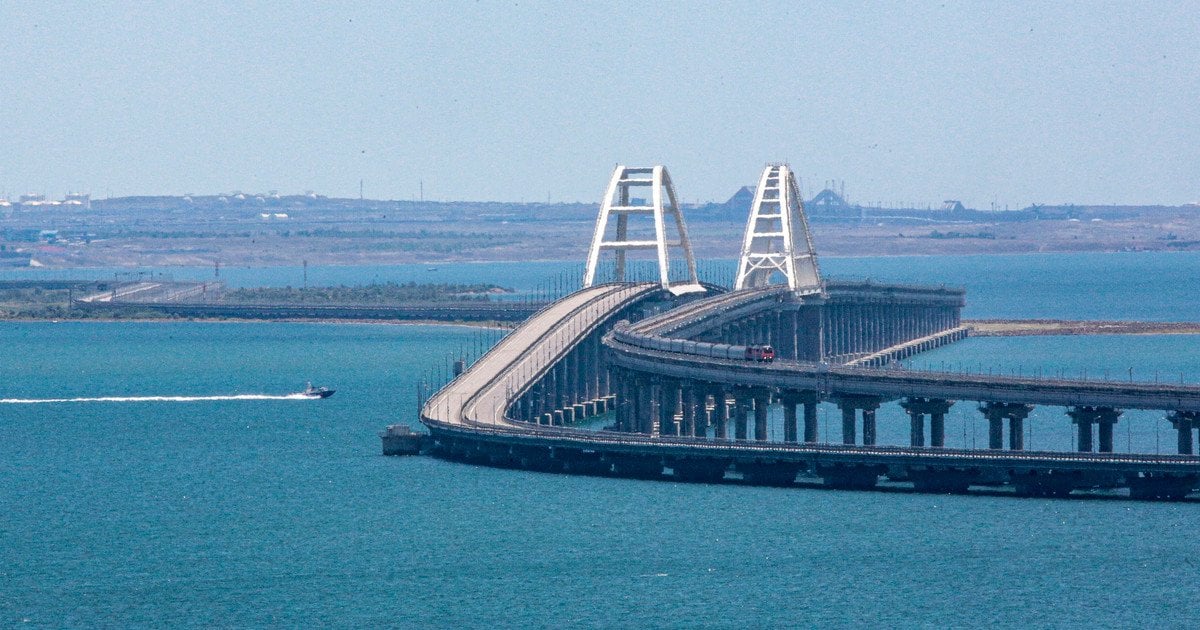
Modern warfare demands new approaches not only on the battlefield but also within the state support system. Military personnel involved in strategic operations, such as the strike on the Crimean Bridge, are facing an inability to receive additional combat pay. The primary obstacle is an outdated regulatory framework that ties payments to physical presence on the front line rather than the results of combat missions.
Bureaucratic Hurdles for UAV Operators
Serviceman Anton Kolumbet has publicly drawn attention to the fact that the current procedure for calculating bonuses, defined by Ministry of Defense Order No. 260 and Cabinet Resolution No. 168, effectively ignores the specifics of unmanned system units. According to him, the system equates a combat crew performing complex long-range tasks with rear security units.
"A stupid, exhausting, and impossibly bureaucratized system for calculating additional rewards," Kolumbet noted.
The issue lies in auditors meticulously checking the time soldiers spend at specific positions while ignoring combat effectiveness. Meanwhile, drone crews operating beyond the first echelon remain priority targets for the enemy, yet their work is not properly accounted for during the calculation of combat bonuses.
Technological Breakthrough vs. Outdated Norms
The operation against the Crimean Bridge on the night of November 19 demonstrated a high level of Ukrainian technology. "Neptune" and "Flamingo" missiles were used, along with a unique communication system known as "winged modems." These are UAV-based relays that allowed operators to control the flight over long distances. Despite the complexity and success of the mission, the participants legally lack the right to combat pay.
To resolve the situation, it is proposed to amend the Ministry of Defense order by adding unmanned system units to the list of those performing fire damage against the enemy, alongside artillery and missile forces. This would allow for motivating soldiers based on results rather than location. Currently, there has been no official response from the Ministry of Defense regarding this initiative.
Source TSN — tsn.ua/ato/biytsi-iaki-vdaryly-po-krymskomu-mostu-ne-otrymaiut-boyovi-s… ↗
Read next
 💼Economy
Currency Exchange Forecast for Late November: Impact of Black Friday and Expert Predictions
Experts predict moderate currency fluctuations in Ukraine by the end of November driven by seasonal consumer activity and Black Friday sales.
 🧠AI Analysis
Fire at Novoshakhtinsk oil refinery: implications for the region
A strong fire broke out at an oil refinery in the Russian city of Novoshakhtinsk after nighttime explosions.
 🛡️Security
Energy workers restore power in Rivne region following attack
Electricity supply has been fully restored in the Sarny district of the Rivne region after being disrupted by a Russian attack on November 20.
 🎭Culture & Sport
Autumn Rose Care: Tips for Gardeners in the Synelnykove Region
Experts explain why it is better to delay radical rose pruning until after the first steady frosts.
 🇺🇦Ukraine
Estonia's Reaction to Gulf of Finland Incident: Right to Self-Defense
Estonia's Foreign Minister and Prime Minister commented on the strike on a Russian vessel, affirming Ukraine's right to defend itself against aggression.
 🛡️Security
Rescue operation in Dymer: 89-year-old woman pulled from rubble
Search and rescue operations are ongoing in the Kyiv region following a drone strike on a residential building. The death toll from the tragedy has risen to nine.